Walk into three newly renovated living rooms this month and you'll see the same thing: a warm brown sofa, a plaster-effect wall, and absolutely no cool grey. That's not a coincidence. The interior design trends shaping modern homes in 2026 have converged on something specific — and it's a reaction against the glossy, greige, everything-white decade we just left behind.
I've been writing about interiors and renovating my own apartment (badly, at first) for eight years now. I've watched trends arrive, get overexposed, and die. And what's happening right now feels different from the usual cycle. It's less about a "look" and more about how a room is supposed to make you feel when you walk in after a long day.
Below, you'll find what's actually gaining ground, what's quietly being ripped out, and straight answers to the questions people keep asking me — including the ones about the 3-5-7 rule and the colour that's finally dethroning grey.
Key takeaways
- Warm, earthy neutrals are replacing cool grey almost everywhere — taupe, mushroom, and soft brown lead the shift.
- Minimalism hasn't disappeared; it's been softened with texture, timber, and imperfect finishes.
- The 3-5-7 rule is a proportion guideline for mixing decor, not a rigid law — treat it as a starting point.
- Three trends dominate right now: warm minimalism, curved furniture, and layered natural materials.
- Statement ceilings and matching-tone rooms are moving out; tactile, lived-in spaces are moving in.
What's actually shaping interiors right now
Here's the thing most trend lists get wrong: they describe objects. A bouclé chair. A fluted console. But the deeper shift driving modern homes is emotional. People want rooms that feel calmer and more personal, because the outside world has felt neither.
I noticed this first in my own flat. Three years ago I painted the living room a cool light grey because that's what every design blog told me to do. It looked like a showroom — clean, sure, but I never once felt relaxed in it. Last spring I repainted it in a warm mushroom tone and the difference was immediate. Same furniture. Same light. Completely different room.
Warm minimalism: less stuff, more soul
Pure minimalism — the white-box, empty-surface kind — has lost its grip. What's replacing it keeps the discipline but adds warmth: lime plaster walls instead of flat paint, oak and walnut instead of lacquered white, linen and wool instead of polyester. The guiding idea is fewer objects, but each one with texture and weight.
In practice, that means you don't declutter to nothing. You declutter down to pieces you actually care about, then let those pieces breathe.
Curves, arches, and the end of the sharp corner
Rounded sofas, arched doorways, oval mirrors, kidney-shaped coffee tables. The straight line is loosening. Part of this is practical — curves are forgiving in small rooms because they don't create hard visual stops — and part of it is the same emotional pull toward softness.
Advertisement breaks aside, I'll admit I was sceptical. I bought a curved armchair two winters ago expecting to regret it, and it's now the piece guests ask about most.
What home design trends are out for 2026?
Short answer: cool grey, glossy finishes, and the "one big statement wall" approach are on their way out. But let me be precise, because "out" doesn't mean forbidden — it means the market has moved past them and they'll start to read as dated.
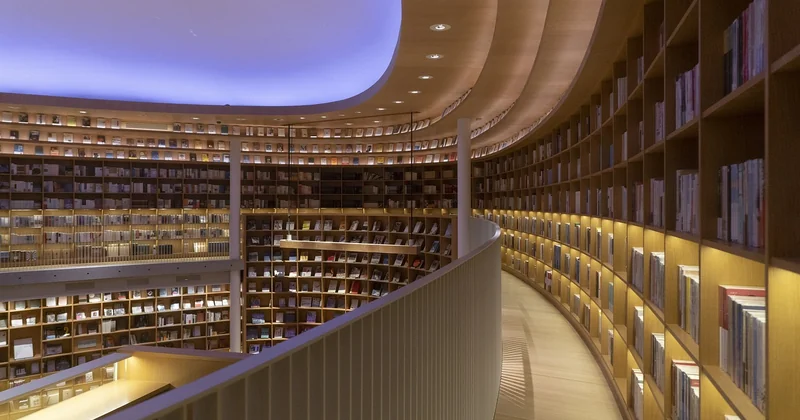
- Cool grey everything — from walls to floors to sofas. It's being replaced by warmer taupe and brown tones.
- High-gloss and mirrored surfaces — they photograph well and live badly. Fingerprints, dust, glare.
- Accent walls — the trend now favours whole rooms in a single tone, or nothing at all.
- Heavy, dark-timber everything — replaced by lighter woods mixed with warmer natural fibres.
- Overly matched furniture sets — the "bought the whole bedroom in one trip" look is fading fast.
One caveat I'll stand behind: if you love a cool grey room and it genuinely calms you, keep it. These cycles are guides, not verdicts. I've seen too many people repaint a room they liked because a list told them to.
What colour is replacing grey?
Taupe is the honest answer — specifically the mushroom, greige-adjacent, warm-neutral family that sits between grey and brown. It's followed closely by soft chocolate, clay, and muted olive. These colours read as neutral but carry warmth, so a room doesn't turn cold under artificial light the way grey tends to.
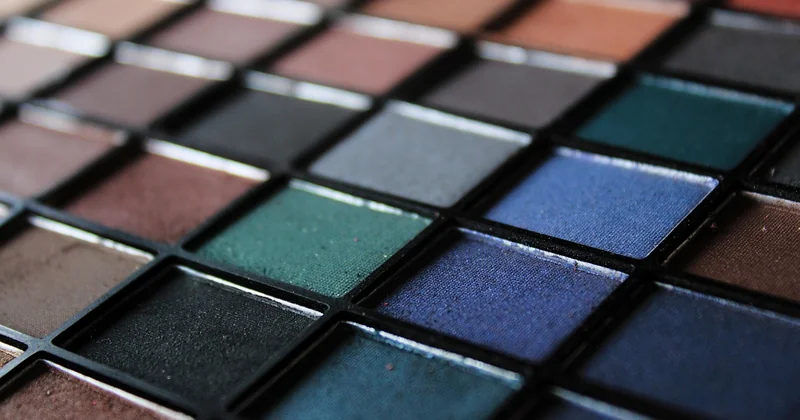
Why is this happening now? Grey dominated because it was safe and photographed neutrally. But once everyone had it, it stopped signalling taste and started signalling the era of the beige rental listing. Warm neutrals offer the same versatility while feeling less clinical.
How to make the switch without repainting everything
You don't need to redo a whole flat. Start with the largest warm surface you can change cheaply:
- Swap the rug to a warm, natural-fibre option (jute, wool, or a warm-toned flatweave)
- Add timber or warm-brass accents where you currently have chrome or black metal
- Change cushion covers and throws to earth tones before you touch a paint can
- Test paint on one wall for a week before committing — warm tones shift dramatically with daylight
What is the 3-5-7 rule in interior design?
The 3-5-7 rule is a proportion guideline for arranging decor and accessories. It suggests grouping items in counts of three, five, or seven — odd numbers that feel natural to the eye — with the larger numbers used for bigger surfaces and the smaller ones for tighter arrangements.
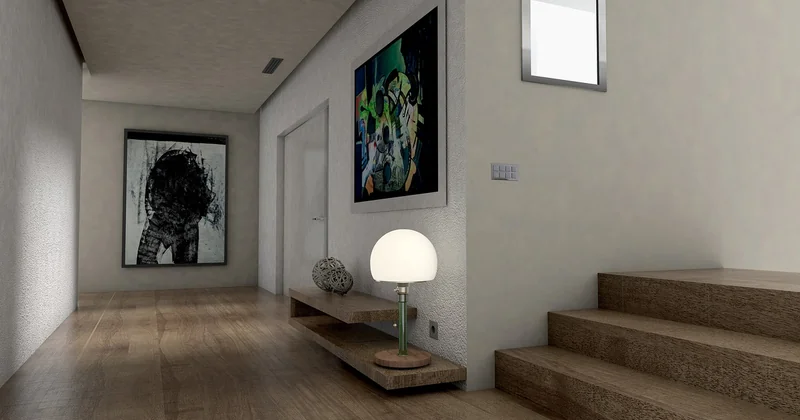
The reasoning behind it is simple: odd-numbered groupings look less formal and more visually dynamic than even ones, and stepping up in counts (3, then 5, then 7) helps you scale an arrangement to the space. Three objects on a side table. Five on a shelf. Seven across a large console.
Here's my honest take, though: it's a crutch, not a rule. I followed it rigidly when I first started styling shelves and ended up with arrangements that felt mathematical rather than collected. The moment I started grouping things by height and colour instead — and let an even number slip in now and then — the shelves finally looked like they belonged to a person. Use 3-5-7 as a starting frame. Abandon it the moment it fights the room.
What are three trends right now in interior design?
If you strip away the noise, three threads run through almost every serious interior project I've seen this year:
Warm minimalism with visible texture
Restraint in the layout, richness in the surfaces. Fewer pieces, but each one has grain, weave, or an imperfect finish you can see and touch.
Curved, low-slung furniture
Seating that sits closer to the floor and refuses to have a sharp edge. It's partly comfort, partly a visual softening that makes rooms feel less boxy.
Layered natural materials
Stone, timber, linen, wool, clay, and rattan used together rather than in isolation. The palette stays quiet; the texture does the talking.
Matching the trend to your actual room
Trends are easy to admire and hard to fit. A curved bouclé sofa that looks perfect in a warehouse-style apartment can swallow a small living room whole. So before you buy anything, match the trend to your constraints.
| Room type | Best-fit trend | What to avoid |
|---|---|---|
| Small living room | Warm minimalism, lighter woods, curved small seating | Oversized sectionals, dark floors, heavy drapery |
| New-build with a blank slate | Layered natural materials, textured plaster, warm neutrals | Everything matching, glossy finishes that show flaws |
| Older home with existing character | Curves and softness to offset original hard edges | Fighting the architecture with a trend that clashes |
| Bedroom | Tone-on-tone warmth, linen layers, low lighting | High-contrast accent walls, bright overhead lighting |
A mistake I made early on was treating my home as a single project. I bought in one go, matched everything, and the result felt flat. Real rooms accumulate. Buy the big pieces first, then let the smaller things arrive over months.
What to keep when trends move on
The most useful habit I've built is separating trend from taste. A trend is what the market is pushing this season. Taste is what you'd still want if no one was watching. Buy trend pieces cheap and reversible — cushions, paint, lighting, a rug. Buy taste pieces once and keep them for a decade.
Warm neutrals, natural materials, and curved furniture will not always be the headline. But they're broad enough and forgiving enough that they'll age gracefully. That's the real filter: if you can picture the piece still working in eight years, it's worth the money.
So here's the question I'd leave you with. If you stripped out every trend you'd read about this year, what would your room look like? The answer is usually the actual starting point — not the ceiling you just painted or the console everyone recommended. The best rooms I've been in were never chasing the moment. They were simply built slowly, by someone paying attention.